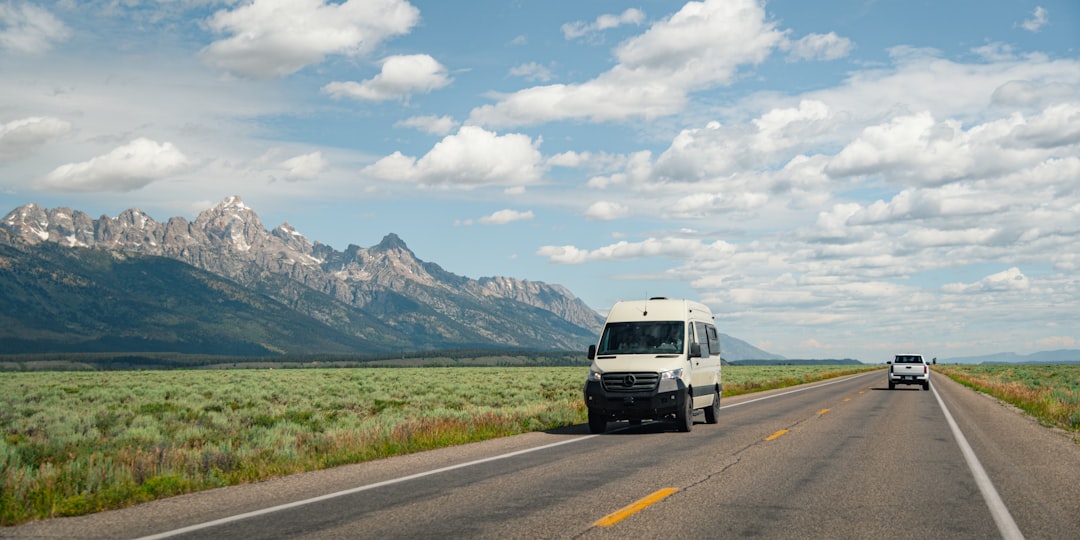
The open road has a unique allure, promising freedom and discovery. For many, a motorhome represents the ultimate key to unlocking that experience, combining transportation and accommodation into one mobile package. This guide provides a clear path through the essentials of renting and planning your journey.
Understanding Your Motorhome Rental Options
The first step in your planning process is selecting the right vehicle. The term “motorhome” encompasses several classes, each suited to different travel styles and group sizes. Knowing the distinctions will help you make a confident choice.
Class A: The Luxury Coach
These are the largest motorhomes, built on a commercial bus or truck chassis. They offer the most space and often feature high-end amenities. This option is ideal for extended trips where comfort is paramount.
- Pros: Spacious living areas, residential-style appliances, ample storage.
- Cons: Requires significant driving experience, higher fuel costs, limited access to some parks.
- Best For: Large families or groups, long-term travel, travelers prioritizing comfort over maneuverability.
Class C: The Versatile Mid-Size
Recognizable by the cab-over bunk area, Class C motorhomes strike a balance between space and drivability. They are built on a cutaway van chassis, making them easier to handle than their Class A counterparts.
- Pros: More manageable to drive, often includes a separate sleeping area over the cab, good for families.
- Cons: Less interior space than Class A, cab-over area may have low headroom.
- Best For: First-time renters, small to medium families, trips of one to two weeks.
Camper Vans (Class B): The Nimble Explorer
Also known as sleeper vans, these are converted vans with built-in living essentials. They prioritize ease of driving and access over expansive living space.
- Pros: Easy to drive and park, excellent fuel efficiency, can access most standard parking spots.
- Cons: Very limited interior space, minimal storage, best for 1-2 people.
- Best For: Couples or solo travelers, weekend getaways, urban exploration, and remote boondocking spots.
Key Considerations Before You Rent
Selecting the vehicle is just one part of the equation. A successful rental experience hinges on understanding the logistics, costs, and policies involved.
Budgeting Beyond the Daily Rate
The advertised rental fee is only the starting point. To avoid surprises, factor in these additional costs when planning your motorhome travel budget.
- Mileage: Many companies include a limited number of miles per day or week, with charges for overages.
- Generator Use: Hours of generator use may be metered and billed separately.
- Insurance & Security Deposits: Understand the coverage options and the required refundable deposit.
- Prep & Dump Fees: You may pay for initial propane filling and a fee for wastewater tank dumping upon return.
- Campground Costs: Budget for nightly fees at RV parks or campgrounds with hookups.
Insurance and Rental Agreements
Carefully review the rental contract. Pay close attention to liability, damage coverage, and roadside assistance provisions. Ensure you understand what is and isn’t covered before you depart.
Vehicle Orientation and Systems Check
Never rush the pickup process. A thorough walk-through with the rental agent is critical. Have them demonstrate all systems until you are comfortable.
- Electrical systems (shore power vs. battery/inverter).
- Water system (freshwater tank fill, pump operation, water heater).
- Waste system (grey water and black water tank locations and dumping procedure).
- Propane system operation for the stove, furnace, and refrigerator.
- Operation of slide-outs, awnings, and leveling jacks if equipped.
Crafting Your Ideal Road Travel Itinerary
With your vehicle secured, the adventure of planning your route begins. A motorhome trip requires a different pace and mindset than a traditional vacation.
Choosing Your Routes and Destinations
Scenic byways and national park loops are classic choices for good reason. However, practical considerations are just as important as the view.
- Drive Time: Plan for shorter driving days (200-250 miles is often ample). This allows time for setup, exploration, and relaxation.
- Road Restrictions: Use RV-specific GPS or apps to avoid low bridges, narrow tunnels, or roads prohibited for larger vehicles.
- Destination Appeal: Balance iconic stops with lesser-known gems to create a unique journey.
Securing Campsites and Overnight Stays
For popular destinations, especially national parks, reserving campsites months in advance is not just recommended—it’s essential. Research your overnight options.
- Full-Hookup RV Parks: Offer water, sewer, and electrical connections. Often include amenities like Wi-Fi and laundry.
- Public Campgrounds (State/National): May offer limited or no hookups. Provide a more natural setting but require more self-sufficiency.
- Boondocking/Dispersed Camping: Overnighting on public lands (BLM, National Forests) for free. Requires complete knowledge of your vehicle’s water and power capacities.
Packing and Provisioning for Life on the Road
Efficient packing is an art form in a motorhome. You must balance needs with very limited storage space. Think in terms of multi-use items and compact solutions.
- Kitchen: Opt for nesting cookware, collapsible items, and plan meals to minimize waste and space.
- Linens: Use sleeping bags or duvets instead of bulky comforters. Quick-dry towels are ideal.
- Tools & Supplies: A basic toolkit, wheel chocks, leveling blocks, a sewer hose, and drinking water hose are non-negotiable.
- Entertainment: Pack books, games, and downloaded media for evenings without television or internet.
Essential Road Travel Practices
Once you’re rolling, a few fundamental practices will ensure your trip is smooth and enjoyable. These habits become second nature to experienced travelers.
Daily Driving and Setup Routines
Develop a consistent routine for arriving at and departing from campsites. This minimizes errors and reduces stress.
- Pre-Departure Checklist: Secure all interior items, retract steps and awnings, ensure storage bays are locked, and double-check hookup connections are detached.
- Arrival Protocol: Park, level the vehicle, set the parking brake, then connect utilities in the correct order (electric, water, sewer if needed).
Managing Water and Waste Systems
Properly handling your motorhome’s utilities is crucial for hygiene and convenience. Never treat the toilet like a household unit.
- Use RV-specific, quick-dissolving toilet paper only.
- Add the recommended chemicals to the black water tank to control odors and break down waste.
- Dump the black water tank first, followed by the grey water tank to help flush the hose.
Safety and Courtesy on the Road
You are driving a large, unfamiliar vehicle. Allow extra space for braking and turning. Be mindful of your surroundings in parking lots and fuel stations.
Respect quiet hours at campgrounds. Keep your site tidy, and be friendly to your neighbors—the community on the road is often a highlight of the experience.
Turning Planning into Adventure
The prospect of a motorhome journey combines excitement with a fair number of logistical details. By methodically working through rental options, budget considerations, and route planning, you build a solid foundation. This preparation transforms potential anxiety into anticipation, allowing you to focus on the freedom and unique experiences that define road travel. The goal is not to plan every minute, but to establish a flexible framework that empowers you to explore with confidence. Your journey begins with informed decisions, leading you toward the open road and the memories you’ll create along the way.
- Plumbing Services Explained: Repairs, Maintenance & System Overview – 09/04/2026
- The Window Replacement Guide – 08/04/2026
- The Water Filtration Blueprint – 08/04/2026

Leave a Reply