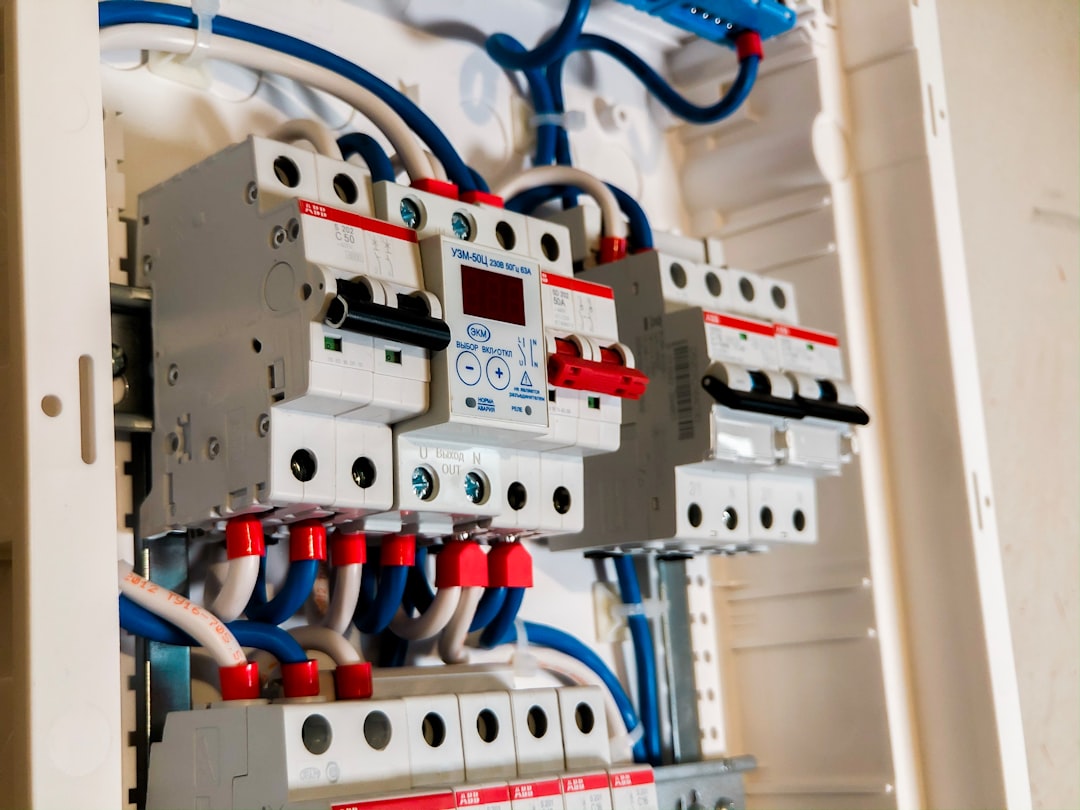
The electrical system in a home is its silent, indispensable nervous system. It powers our lives, yet its inner workings often remain a mystery until a light flickers, an outlet goes cold, or a breaker trips. For homeowners, understanding the basics of electrical services, the importance of routine checks, and fundamental safety principles is not just about convenience—it’s a critical component of property stewardship and personal security.
Proactive maintenance and informed decision-making can prevent minor issues from escalating into hazardous, costly emergencies. This guide outlines the essential services professionals provide, key indicators your system needs attention, and the safety framework every homeowner should know before any work begins.
Common Residential Electrical Services
Licensed electrical contractors offer a wide range of services, from simple repairs to comprehensive system upgrades. Knowing what falls under their purview helps homeowners communicate needs effectively and plan for potential projects.
System Inspections and Diagnostics
A professional evaluation is the cornerstone of electrical safety. This is not a casual look but a methodical check of the entire system’s health and compliance with current codes.
- Full-Panel Assessment: An electrician will examine the main service panel for proper labeling, signs of overheating, corrosion, and ensure it has adequate capacity for the home’s demands.
- Circuit Testing: Using specialized tools, they test for correct wiring, proper grounding, and the functionality of safety devices like Arc-Fault Circuit Interrupters (AFCIs) and Ground-Fault Circuit Interrupters (GFCIs).
- Load Calculation: This determines if your current electrical service can safely handle all appliances and devices, a crucial step before adding major new loads like an electric vehicle charger or a hot tub.
Repair and Troubleshooting
Persistent or sudden electrical problems require expert diagnosis. Common repair scenarios include:
- Fixing malfunctioning switches and outlets that are warm, sparking, or provide intermittent power.
- Investigating the cause of frequent circuit breaker trips or blown fuses.
- Diagnosing and repairing flickering or dimming lights, which can indicate a loose connection or an overloaded circuit.
- Addressing dead outlets or circuits that have lost power entirely.
Installation and Upgrades
Modern living demands more from home electrical systems. Upgrades are often necessary for safety, functionality, and efficiency.
- Panel Upgrades: Replacing an outdated or undersized electrical panel is a common project to increase capacity and safety, especially in older homes.
- New Circuit Installation: Adding dedicated circuits for high-power appliances like ranges, dryers, or home office equipment prevents overloads.
- Safety Device Installation: This includes adding modern GFCI outlets in kitchens, bathrooms, and garages, and AFCI breakers to protect against arc faults in living areas.
- Lighting and Fan Installation: Professional installation ensures heavy fixtures are securely mounted and correctly wired.
Key Indicators Your Electrical System Needs Attention
Electrical systems often provide warning signs before a major failure occurs. Heeding these signals and acting promptly can avert danger.
- Unusual Odors: A persistent burning smell from an outlet, switch, or the electrical panel is a serious warning that requires immediate professional evaluation.
- Discoloration or Scorching: Brown or black marks on outlet faces, switch plates, or around the service panel indicate overheating and potential fire risk.
- Buzzing or Humming Sounds: Electricity should operate silently. Any buzzing from outlets, switches, or the panel suggests a loose connection or failing component.
- Frequent Breaker Trips: While breakers trip to protect you, constant tripping under normal load signals an overloaded circuit, a faulty appliance, or a problem within the wiring.
- Reliance on Extension Cords: Using power strips and extension cords as a permanent solution is a clear sign your home lacks sufficient, conveniently located outlets.
Fundamental Safety Considerations for Homeowners
Safety is the non-negotiable priority in any electrical context. Both DIY homeowners and those hiring professionals must adhere to core principles.
Before Hiring a Professional
Selecting the right contractor is the most important safety decision you will make. Due diligence is essential.
- Verify Licensing and Insurance: Always confirm that the electrician holds a current, valid license for your state and locality. Request proof of both liability and workers’ compensation insurance.
- Check References and Reviews: Look for established contractors with a track record of quality work. Online reviews and personal referrals can provide valuable insight.
- Request Detailed Estimates: A reputable professional will provide a written estimate that outlines the scope of work, materials to be used, a timeline, and the total cost.
- Ask About Permits and Inspections: For any significant work, a permit from your local building department is typically required, followed by a final inspection. A qualified electrician will handle this process.
Understanding the Scope of DIY
While some minor tasks may be within a skilled homeowner’s ability, understanding the limits is crucial for safety.
- Generally Safe for DIY: Replacing a standard light switch or outlet (with the power confirmed OFF at the breaker), installing a new light fixture, or replacing a lamp cord.
- Always Leave to Professionals: Any work on the main service panel, running new circuits or wiring, troubleshooting complex faults, and all work in areas like kitchens, bathrooms, and outdoors where GFCIs are mandated.
- The Golden Rule: If you are unsure, lack the proper tools, or the task involves the service panel or new wiring, hire a licensed electrician. The risks of shock and fire are simply too great.
Ongoing Homeowner Safety Practices
Daily habits contribute significantly to long-term electrical safety within the home.
- Test GFCI outlets monthly by pressing the “Test” and “Reset” buttons to ensure they are functioning correctly.
- Avoid overloading outlets with multi-plug adapters, especially for high-wattage appliances like space heaters.
- Use light bulbs that match the wattage rating specified on light fixtures and lamps.
- Keep electrical panels accessible and clearly labeled so anyone can quickly shut off power in an emergency.
- Teach all household members, including children, basic electrical safety, such as not using electronics near water and the meaning of a tripped breaker.
The Value of Proactive Electrical Stewardship
Viewing your home’s electrical system through a lens of proactive care transforms it from a hidden utility into a managed asset. Periodic professional checks, akin to routine HVAC maintenance, can identify wear and tear, outdated components, and potential code violations long before they manifest as problems.
This approach offers tangible benefits: enhanced safety for your family and property, increased system reliability that prevents disruptive failures, and preserved home value by ensuring the electrical system meets modern standards. Furthermore, an updated, efficient system can contribute to lower energy costs and support the integration of smart home technologies and renewable energy sources.
The journey toward a safer, more reliable home begins with knowledge and a commitment to action. By familiarizing yourself with common electrical services, recognizing the warning signs of system distress, and adhering to fundamental safety protocols, you establish a responsible framework for home ownership. The logical next step for any homeowner is to engage with a qualified professional who can provide a concrete assessment of your specific system, offering clarity and a path forward tailored to your home’s unique needs and your family’s safety.
- Plumbing Services Explained: Repairs, Maintenance & System Overview – 09/04/2026
- The Window Replacement Guide – 08/04/2026
- The Water Filtration Blueprint – 08/04/2026

Leave a Reply