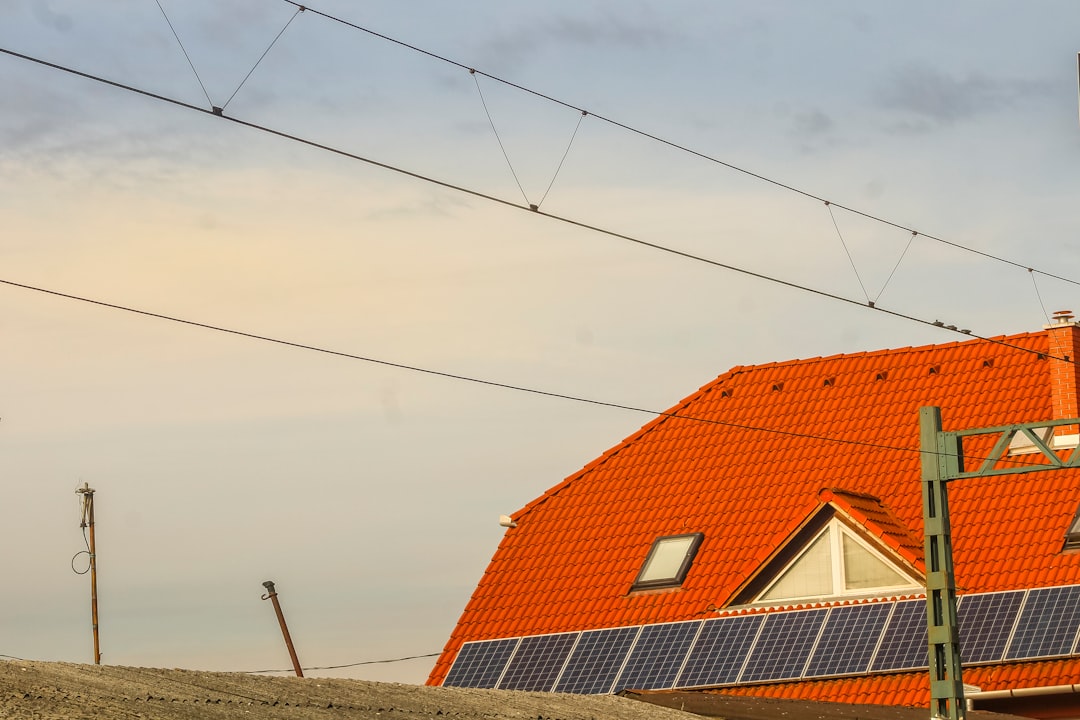
For homeowners, the prospect of generating clean energy while protecting a property is an increasingly compelling proposition. Modern solar roofing has evolved far beyond the bulky panels of the past, integrating technology with building materials in innovative ways. This guide provides a clear overview of the available systems, the installation process, and the critical factors to weigh before making an investment.
Understanding Modern Solar Roofing Systems
The term “solar roofing” encompasses several distinct technologies, each with its own advantages and ideal applications. The right choice depends heavily on your home’s architecture, your energy goals, and your budget. Knowing the differences is the first step toward an informed decision.
Traditional Rooftop Solar Panels
These are the most common and widely recognized systems. They involve mounting photovoltaic (PV) panels onto an existing roof structure using racking systems. This approach is highly efficient and cost-effective for many properties.
- Pros: Proven technology with high efficiency, generally lower cost per watt than integrated systems, and can be installed on most roof types.
- Cons: Aesthetic considerations, as they sit above the roofline; may require roof reinforcement; and installation involves penetrating the existing roof membrane.
Solar Shingles and Tiles
This category represents a significant leap in design, where the solar cells are embedded directly into roofing materials that mimic traditional asphalt shingles, slate, or clay tiles. They serve a dual function as both the weatherproof roof layer and the power generator.
- Pros: Sleek, integrated aesthetic that blends with the roof; often more durable and impact-resistant; can be easier to install on new construction or full roof replacements.
- Cons: Typically higher upfront cost; may have slightly lower efficiency than premium panels; and fewer contractors are specialized in their installation.
Building-Integrated Photovoltaics (BIPV)
BIPV is a broader category that includes solar shingles but also extends to facades, skylights, and other building elements. For roofing, this can include large-format solar modules designed to replace entire sections of roofing material seamlessly.
The primary benefit is a fully unified architectural look, maximizing energy production from the entire roof plane without a “bolted-on” appearance. This option is often considered in high-end new construction or major renovations.
Critical Installation Considerations
A successful solar roofing project hinges on proper installation. This is not a typical DIY home improvement task and requires careful planning and professional expertise. Several key factors will determine the feasibility and design of your system.
Roof Assessment and Structural Integrity
Before any work begins, a thorough evaluation of your existing roof is non-negotiable. A qualified installer will examine the structure, decking, and current roofing material.
- Age and Condition: If your roof is near the end of its lifespan, it is almost always advisable to replace it before or during solar installation to avoid costly removals later.
- Structural Load: The roof must support the additional weight of the system, including panels, racking, and potential snow loads. An engineer may need to be consulted.
- Orientation and Pitch: South-facing roofs with a slope between 15 and 40 degrees typically yield optimal energy production in the Northern Hemisphere.
Professional Installation and Permitting
Choosing a certified, experienced installer is paramount. They will navigate the complex web of local building codes, electrical standards, and utility interconnection requirements on your behalf.
- Credentials: Look for installers certified by the North American Board of Certified Energy Practitioners (NABCEP).
- Permitting: Your installer should handle all necessary permits from your city or county building department.
- Utility Interconnection: A formal agreement with your local utility company is required to connect your system to the grid, enabling net metering.
Electrical Integration and System Components
The roofing elements are only one part of the equation. The complete system includes critical components that convert and manage the electricity you generate.
- Inverters: These devices convert the direct current (DC) produced by the solar cells into the alternating current (AC) used in your home. Options include string inverters, microinverters (attached to each panel/shingle), or power optimizers.
- Conduit and Wiring: Properly rated wiring and conduit must be run from the roof array to the inverter and electrical panel.
- Monitoring Systems: Most modern systems include software that allows you to track energy production and consumption in real-time.
Key Factors for Evaluating Your Options
With an understanding of the systems and installation process, you can begin a detailed evaluation tailored to your specific situation. This analysis should blend financial, practical, and personal preferences.
Energy Needs and Production Estimates
Start by understanding your household’s energy consumption. Review your utility bills from the past year to calculate your average monthly kilowatt-hour (kWh) usage.
- System Sizing: A professional installer will use this data, along with your roof’s specifics and local weather patterns, to model the expected annual production of a proposed system.
- Offset Goals: Determine what percentage of your electricity bill you aim to offset. Some homeowners target 100%, while others start with a smaller system to manage upfront costs.
Financial Analysis: Costs, Incentives, and ROI
The financial picture for solar has never been more favorable, thanks to a combination of falling equipment costs and significant government incentives.
- Upfront Investment: Obtain detailed quotes from multiple installers. Prices are typically measured in cost per watt before incentives.
- Federal Tax Credit: The federal Investment Tax Credit (ITC) allows you to deduct a significant percentage of the system cost from your federal income taxes.
- Local Incentives: Many states, municipalities, and utilities offer additional rebates, tax exemptions, or performance-based incentives.
- Long-Term Value: Consider the payback period (the time it takes for energy savings to equal the net cost) and the increase in property value.
Durability, Warranties, and Maintenance
A solar roof is a long-term investment, and its protection should be clearly defined. Warranty coverage is a critical component of your evaluation.
- Product/Performance Warranty: Most solar panels and shingles come with a 25-year performance guarantee that they will produce at a certain percentage of their original output.
- Workmanship Warranty: This is provided by the installer and covers issues related to the installation itself, typically for 5 to 10 years.
- Roofing Warranty: For integrated systems, understand how the solar product’s warranty interacts with or replaces the standard roofing material warranty.
- Maintenance: Systems generally require minimal maintenance, primarily occasional cleaning and ensuring they are free from debris or shading from growing vegetation.
Making an Informed Decision for Your Home
The journey to a solar roof involves synthesizing all the information on systems, installation, and evaluation factors. It requires balancing hard data with the less tangible aspects of aesthetics and long-term satisfaction.
Begin by requesting consultations with several reputable installers who offer the different system types you are considering. A trustworthy professional will conduct a detailed site survey, provide a customized production estimate, and offer a transparent, itemized quote. They should also be able to provide a clear explanation of the financial incentives applicable to your project and a realistic timeline from contract to interconnection.
Ultimately, the most suitable solar roofing solution is one that aligns with your energy objectives, fits within your financial parameters, and complements your home. By methodically exploring how these systems work, the nuances of their installation, and the key factors for evaluation, you position yourself to make a choice that will deliver value and performance for decades to come.

Leave a Reply