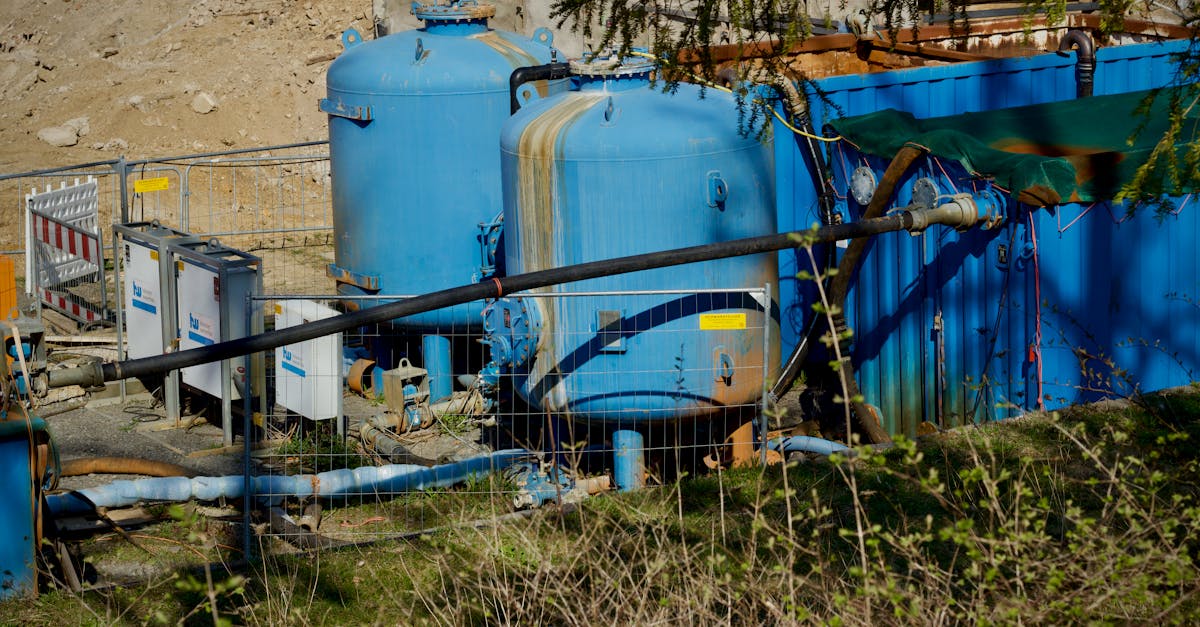
The water entering your home is more than a simple utility; it is a complex chemical solution that interacts with every pipe, fixture, and appliance in your property. For homeowners, developers, and families focused on long-term wellness, a generic approach to water quality is a significant infrastructure risk. True protection requires a technical understanding of the specific threats present and the precise engineering of systems designed to neutralize them.
The Foundation: Understanding Your Water Profile
Before selecting any equipment, a professional water quality analysis is the essential first step. Municipal reports provide a broad overview, but they do not account for the aging pipes that may add lead or copper to your water after it leaves the treatment plant. A comprehensive test identifies the exact adversaries your system must face.
Common Contaminant Categories
Contaminants are typically classified by their size and chemical nature, which directly dictates the filtration mechanics required for their removal. The primary categories include:
Particulates & Sediment: These are physical particles like rust, sand, and silt. Their removal is measured in microns, a unit equal to one-millionth of a meter.
Dissolved Inorganics: This category includes minerals that cause water hardness—primarily calcium and magnesium—as well as metals like lead, arsenic, and chromium. They are dissolved at a molecular level.
Chemical & Organic Compounds: Chlorine, chloramines, pesticides, herbicides, and volatile organic compounds (VOCs) fall into this group. They often require chemical adsorption or catalytic conversion for reduction.
Biological Agents: Bacteria, viruses, and cysts are measured by their extremely small size, often requiring sub-micron filtration or disinfection technologies.
Filtration Mechanics: A Technical Classification
Modern purification standards are built around distinct technological principles. Each method creates a specific physical or chemical barrier, and understanding these mechanics is key to building an effective, layered defense for your home.
1. Mechanical Filtration: The Physical Barrier
This is the most straightforward method, acting as a sieve. Water is forced through a media with pores of a specific size, trapping larger particles. The efficacy is defined by its micron rating.
Key Specifications:
- Micron Rating: A five-micron filter catches particles visible to the eye, like silt, while a one-micron filter captures finer particulates. Ratings of 0.5 microns or lower are necessary for capturing some cysts.
- Application: Primarily for sediment and rust. It is almost always used as a pre-filter to protect more advanced downstream systems from clogging, a critical component of plumbing protection.
2. Adsorption: The Chemical Magnet
This process involves contaminants adhering to the surface of a filter media. The most common media is activated carbon, renowned for its vast, porous surface area.
How It Works: As water passes over the carbon, chemical contaminants like chlorine, chloramines, VOCs, and some pesticides are trapped within its pore structure through a process called adsorption.
Critical Considerations:
- Effectively improves taste and odor by removing chlorine.
- Has limited effect on dissolved minerals (hardness), salts, or heavy metals.
- The media has a finite capacity and must be replaced regularly to maintain contaminant reduction performance.
3. Ion Exchange: Tackling Water Hardness
This is the core technology behind traditional water softeners. It addresses the dissolved minerals that cause scale buildup, a primary threat to appliance longevity and plumbing efficiency.
The Process: Hard water passes through a resin bed charged with sodium or potassium ions. The resin swaps these ions for the calcium and magnesium ions in the water, effectively removing the hardness.
Infrastructure Impact: By eliminating scale-forming minerals, this system directly protects water heaters, dishwashers, and pipe interiors from costly mineral buildup, extending their service life and improving energy efficiency.
4. Reverse Osmosis Science: The Molecular Filter
Reverse osmosis (RO) represents one of the most comprehensive forms of household purification. It employs a semi-permeable membrane with pores so tiny that only water molecules can reliably pass through.
Technical Operation: Water is pressurized against the RO membrane. Contaminants like dissolved salts, heavy metals (lead, arsenic), nitrates, and fluoride are rejected and flushed away, resulting in highly purified water.
System Architecture: A properly designed RO system is never a single technology. It is a staged process:
- Pre-Filtration: A sediment filter and carbon filter protect the delicate RO membrane from clogging or chlorine damage.
- RO Membrane: The core component for contaminant reduction.
- Post-Filtration: Often a final carbon “polishing” filter ensures optimal taste.
Building a High-Performance Filtration Environment
With an understanding of these core technologies, you can design a system tailored to your water profile. The goal is not to use every technology, but to apply the correct sequence of barriers for your specific contaminants.
The Point-of-Entry vs. Point-of-Use Strategy
Point-of-Entry (POE): Systems installed where water enters the home. These protect the entire plumbing infrastructure and appliances. Water softeners and whole-house sediment/carbon filters are POE solutions.
Point-of-Use (POU): Systems installed at a single tap, such as under-sink RO units or faucet filters. These deliver water for drinking and cooking at a higher purity level than what is required for general household use.
Interpreting Logistical Requirements
A high-performance system demands a maintenance plan. Each technology has operational needs that impact its long-term viability and cost.
Maintenance Checklist:
- Filter Change Schedules: Sediment and carbon filters have defined lifespans based on water usage and contaminant load.
- Media Regeneration/Replacement: Water softeners require salt. RO membranes and ion-exchange resins eventually need replacement.
- System Sanitization: Periodic cleaning prevents bacterial growth within filter housings and tanks.
Navigating domestic water chemistry is an exercise in applied science for the home. It moves the conversation from vague concerns about purity to a precise engineering dialogue about micron filtration, chemical reduction capacities, and system synergies. This technical knowledge transforms you from a passive consumer into an informed steward of your home’s water infrastructure. The result is a tailored strategy that delivers water aligned with your standards for health, protects your significant investment in plumbing and appliances, and provides clarity in managing your household’s most vital resource.
- Plumbing Services Explained: Repairs, Maintenance & System Overview – 09/04/2026
- The Window Replacement Guide – 08/04/2026
- The Water Filtration Blueprint – 08/04/2026

Leave a Reply