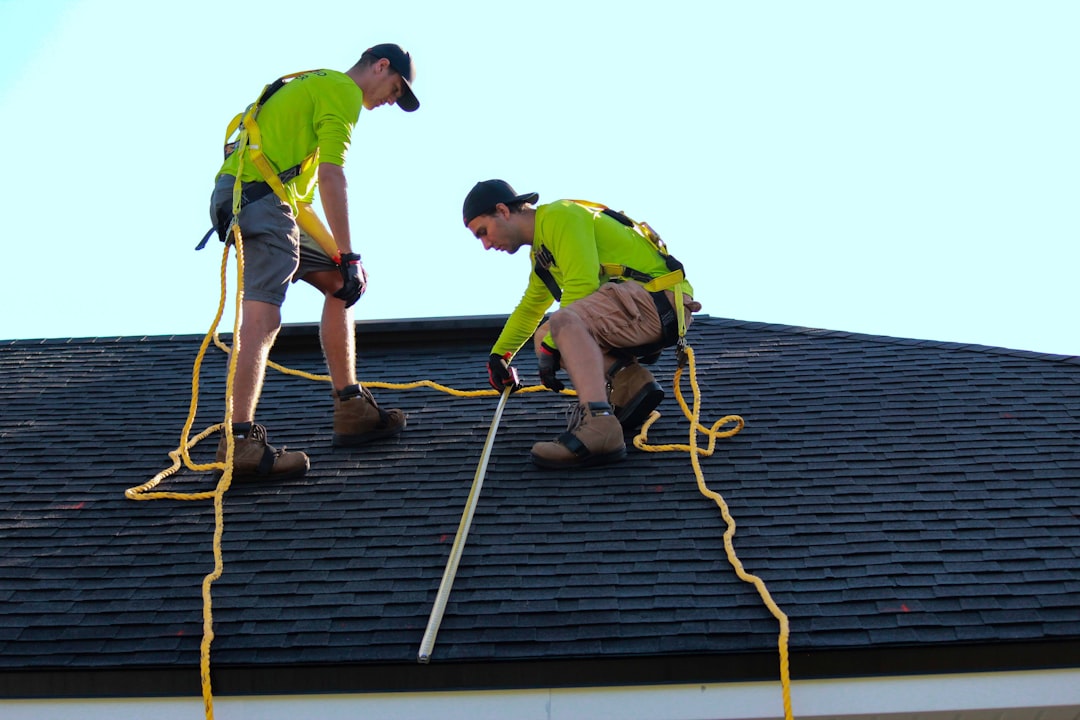
Your roof is more than just shingles and flashing; it’s the primary shield protecting your home from the elements. Understanding its condition, the materials involved, and how to care for it is fundamental to responsible homeownership. This overview provides a clear, actionable guide to the essential pillars of roof management.
Understanding the Importance of Proactive Roof Care
A well-maintained roof safeguards your home’s structural integrity, energy efficiency, and interior comfort. Neglect can lead to a cascade of expensive problems, from water damage and mold growth to compromised insulation. Proactive care, centered on regular assessment and timely upkeep, is the most cost-effective strategy for long-term protection.
The process revolves around three interconnected concepts: knowing what to look for during an inspection, understanding the materials on your home, and implementing a sound maintenance plan. Mastering these areas empowers you to make informed decisions and communicate effectively with roofing professionals.
Essential General Inspection Practices
Regular inspections are the cornerstone of preventative roof care. These checks help identify minor issues before they escalate into major repairs. A thorough inspection combines safe ground-level observations with, when necessary, a closer examination by a qualified professional.
Conducting a Safe Ground-Level Assessment
You can perform a valuable preliminary inspection using binoculars from the safety of your yard. Focus on visible signs of wear and potential failure. Look for patterns or irregularities that deviate from the roof’s normal appearance.
Key elements to scrutinize from the ground include:
- Shingle Condition: Look for curling, cracking, buckling, or missing shingles. Check for areas where granules have worn away, exposing the underlying mat.
- Flashings: Inspect the metal flashing around chimneys, vents, skylights, and wall intersections. Corrosion, cracks, or separation are red flags.
- Gutters and Downspouts: Check for an accumulation of granule deposits in gutters, which indicates advanced shingle wear. Ensure gutters are securely attached and free of debris.
- Soffits and Fascia: Look for signs of rot, peeling paint, or animal activity, which can signal moisture problems.
When to Engage a Professional Inspector
While visual checks are helpful, a comprehensive evaluation requires expertise. Professional inspectors assess not just the surface but the decking, insulation, and ventilation—components critical to roof health. Scheduling a professional inspection is a prudent step in several scenarios.
Consider hiring a certified roofing inspector:
- After a severe weather event with high winds or hail.
- If you notice interior signs of a leak, such as water stains on ceilings or walls.
- As part of a routine check every 2-3 years, or as recommended for your specific material and climate.
- When planning to buy or sell a property.
A Guide to Common Roofing Material Types
The performance, lifespan, and care requirements of your roof are directly tied to its material. Each option presents a unique balance of durability, aesthetics, cost, and weight. Your local climate and architectural style are significant factors in determining the most suitable choice.
Asphalt Composition Shingles
Asphalt shingles are the most widely used roofing material in North America due to their cost-effectiveness and reliable performance. They consist of a fiberglass mat coated with asphalt and ceramic granules. Modern architectural or dimensional shingles offer enhanced durability and a more textured appearance compared to traditional three-tab shingles.
Typical lifespan ranges from 15 to 30 years, depending on quality and climate. They perform well in most environments but can be susceptible to wind uplift and may lose granules over time.
Metal Roofing
Metal roofing, available in panels or shingles made from steel, aluminum, or copper, is renowned for its longevity and resilience. It excels in shedding snow and rain, resists fire and high winds, and can last 40 to 70 years. While the initial investment is higher, its durability often makes it cost-effective over the long term.
Primary maintenance considerations involve checking for loose fasteners, ensuring sealants at panel ends are intact, and clearing debris that could scratch protective coatings.
Slate, Tile, and Wood
These premium materials offer distinct aesthetic appeal and exceptional lifespans but come with specific structural and maintenance requirements.
- Slate: A natural stone product that can last over a century. It is fireproof and elegant but very heavy and requires a reinforced roof structure. Individual tiles can crack and should be replaced by a specialist.
- Clay or Concrete Tile: Common in Mediterranean and Southwestern styles, these tiles are durable and fire-resistant. They are heavy and fragile to walk on. Maintenance involves checking for cracked or broken tiles.
- Wood Shakes or Shingles: Offer a natural, rustic look but require more upkeep. They are susceptible to moisture, mold, and fire if not properly treated and maintained with regular cleaning and preservatives.
Developing Effective Maintenance Considerations
A strategic maintenance plan extends your roof’s service life and protects your investment. This goes beyond simple reaction to problems and involves scheduled, preventative actions. Your plan should be tailored to your specific material type and local environmental challenges.
Routine Cleaning and Debris Management
Keeping your roof and its drainage system clear is a fundamental task. Accumulated debris holds moisture, promotes moss and algae growth, and can cause deterioration.
- Gutter Cleaning: Clean gutters and downspouts at least twice a year—in late spring and early fall—to ensure proper water flow away from your roof and foundation.
- Surface Debris: Safely remove leaves, pine needles, and branches from roof valleys and around chimneys. For steep or high roofs, use a professional service.
- Biological Growth: Treat moss or algae with appropriate, manufacturer-approved cleaning solutions. Avoid high-pressure washing, which can damage shingle granules.
Addressing Minor Repairs Promptly
Small issues, if left unattended, inevitably become large, costly problems. A proactive approach to repairs is a hallmark of sound home maintenance.
Immediate actions to take include:
- Replacing missing, cracked, or curled shingles as soon as they are noticed.
- Sealing small gaps or cracks in flashing with appropriate, high-quality roofing cement or sealant.
- Ensuring vent boots and pipe collars are not cracked or dried out, as these are common leak sources.
Ensuring Proper Attic Ventilation and Insulation
A critical yet often overlooked aspect of roof health occurs underneath the surface. Adequate attic ventilation and insulation work together to regulate temperature and moisture levels in your attic space.
Poor ventilation can lead to ice dams in winter and excessive heat buildup in summer, both of which accelerate shingle deterioration. Check that soffit, ridge, and gable vents are unobstructed. Similarly, proper insulation on the attic floor helps maintain a consistent temperature, reducing strain on the roofing materials.
Integrating Knowledge for Long-Term Roof Health
Effective roof stewardship is a continuous process that integrates the knowledge of inspection, materials, and maintenance. By adopting regular general inspection practices, you establish an early-warning system. Understanding your roof’s material types informs your expectations and care routine. Implementing thoughtful maintenance considerations prevents minor wear from becoming catastrophic failure.
This holistic approach provides peace of mind and significant financial savings over the life of your home. It transforms roof care from a reactive burden into a manageable, proactive component of homeownership. For a detailed assessment tailored to your specific situation, consulting with a reputable, licensed roofing contractor is the definitive next step.
- Plumbing Services Explained: Repairs, Maintenance & System Overview – 09/04/2026
- The Window Replacement Guide – 08/04/2026
- The Water Filtration Blueprint – 08/04/2026

Leave a Reply