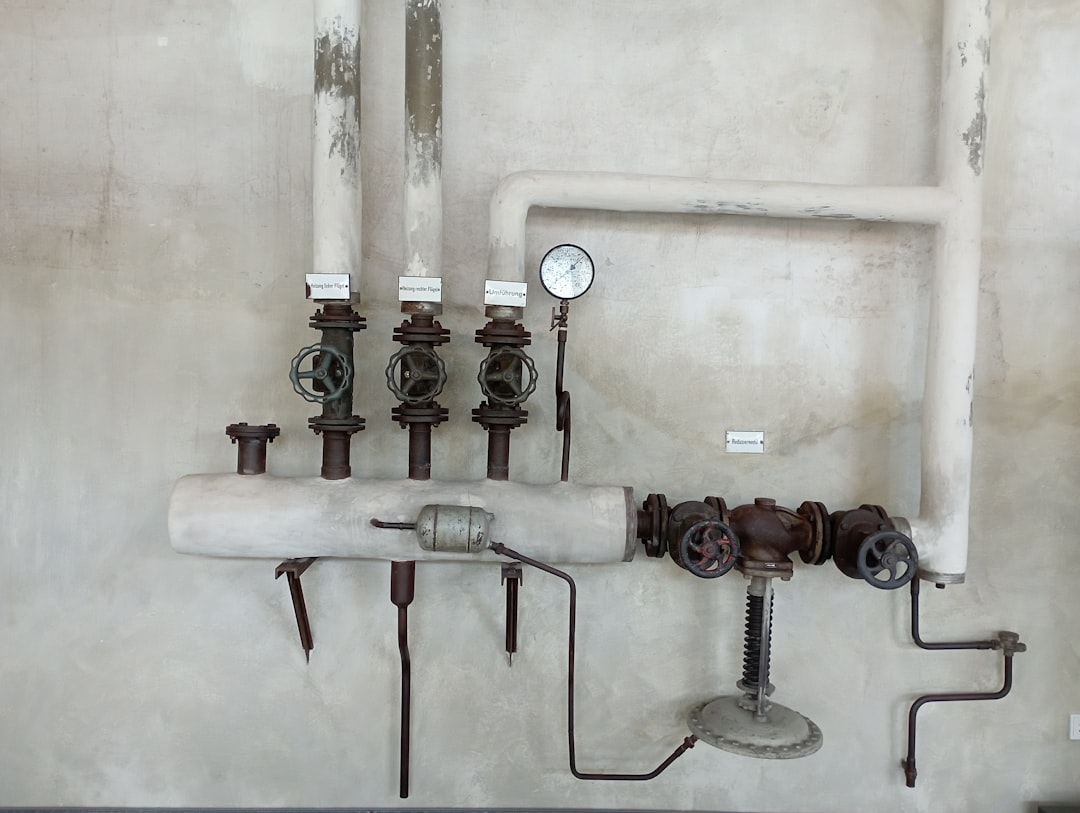
A well-functioning plumbing system is the quiet hero of any home, delivering clean water and whisking away waste with little fanfare. It’s only when something goes wrong that we truly appreciate its complexity and importance. From a persistent drip to a sudden backup, plumbing issues demand attention and a clear understanding of what you’re dealing with.
Understanding Your Home’s Plumbing System
Before tackling problems, it helps to know the basics. Your home’s plumbing is not a single system but two interconnected ones: the supply side and the drain-waste-vent (DWV) side. The supply system uses pressure to bring fresh water in, while the DWV system relies on gravity and venting to remove wastewater.
The Supply System: Bringing Water In
This network of pipes is under constant pressure from your municipal water main or well pump. Key components include the main shutoff valve, the water meter, and supply lines that branch off to fixtures. Understanding where your main shutoff valve is located is the first step in any emergency.
The Drain-Waste-Vent (DWV) System: Taking Water Out
This system operates without pumps in most homes, using sloped drain pipes to guide wastewater to the main sewer or septic line. Vents protruding from your roof are critical—they allow air in to prevent vacuum locks that can slow or stop drainage and allow sewer gases to escape.
Common Plumbing Issues Homeowners Face
Even with regular maintenance, components wear out, mineral deposits build up, and unexpected blockages occur. Recognizing the signs of these common problems can help you act quickly and describe the issue accurately to a professional.
Dripping Faucets and Running Toilets
More than just an annoyance, persistent drips and runs waste a significant amount of water and increase utility bills. The causes are usually internal:
- Worn Washers or Cartridges: In faucets, constant friction degrades these seals.
- Faulty Flapper Valves or Fill Valves: In toilets, these are the most common culprits for constant water flow.
- Corroded Valve Seats: This can prevent a faucet from sealing completely.
Slow or Clogged Drains
Slow drainage in sinks, showers, or tubs is often a warning sign of a partial clog. Kitchen sinks frequently face grease and food particle buildup, while bathroom drains collect hair and soap scum. A complete blockage requires immediate attention to prevent overflows.
Low Water Pressure
A weak stream from your showerhead or faucet can be frustrating. The issue might be localized to a single fixture due to a clogged aerator, or it could be a whole-house problem indicating:
- Mineral buildup in pipes.
- A partially closed main shutoff valve.
- A more serious issue with the municipal supply line or pressure regulator.
Water Heater Problems
Lack of hot water, inconsistent temperature, strange noises, or discolored water are all signs your water heater needs inspection. Sediment buildup in the tank is a frequent cause of inefficiency and noise.
Pipe Leaks and Corrosion
Leaks can occur at joints or along pipe walls. Visible corrosion, often appearing as greenish deposits on copper pipes or rust on steel, signals potential weakness. Even a small, hidden leak can lead to significant water damage and mold growth over time.
Professional Plumbing Service Options
Not every issue requires a professional, but knowing when to call one—and what type of service you need—saves time, money, and prevents further damage. Professional plumbing services generally fall into several distinct categories.
Emergency Repair Services
These are for urgent situations that threaten property or make essential fixtures unusable. Reputable providers offer 24/7 availability for:
- Burst pipes or major leaks.
- Sewer line backups or overflows.
- Complete loss of water supply or hot water.
- Gas line leaks (which require immediate, specialized attention).
Routine Maintenance and Inspections
Proactive care is the most effective way to avoid emergencies. Scheduled maintenance can include:
- Water heater flushing to remove sediment.
- Drain cleaning and video inspections to check for developing blockages or root intrusion.
- Checking for leaks, testing water pressure, and inspecting appliance connections.
- Winterization services for vulnerable pipes.
Installation and Replacement Services
This covers both upgrading existing fixtures and installing new plumbing for renovations or additions. Proper installation is critical for long-term performance and code compliance. Common projects include:
- Replacing faucets, toilets, or shower systems.
- Installing new water heaters, garbage disposals, or water filtration systems.
- Repiping sections of your home with more durable materials like PEX.
- Rough-in plumbing for a new bathroom or kitchen.
Drain and Sewer Line Services
Problems here are often beyond the reach of a standard plunger. Professionals use specialized tools:
- Motorized Drain Augers (Snakes): For deeper clogs in main lines.
- Hydro-Jetting: Uses high-pressure water to scour pipe walls completely clean.
- Video Camera Inspection: Provides a definitive diagnosis of a clog’s location and cause, or assesses pipe condition.
- Trenchless Sewer Repair/Replacement: Minimally invasive methods to fix or replace damaged lines without major excavation.
Choosing the Right Plumbing Professional
With an understanding of the services available, selecting a qualified professional is the next crucial step. Look for providers who demonstrate clear expertise and transparency.
- Proper Licensing and Insurance: This is non-negotiable for your protection and their legitimacy.
- Detailed Estimates: Reputable professionals provide written, itemized quotes before starting work, barring some emergency diagnostic fees.
- Warranties on Work: A guarantee on both parts and labor shows confidence in the quality of the service.
- Clear Communication: They should explain the problem, the proposed solution, and the associated costs in understandable terms.
A basic grasp of your home’s plumbing, its common failure points, and the professional services designed to address them transforms you from a passive homeowner into an informed partner in your home’s maintenance. This knowledge empowers you to perform minor upkeep, accurately diagnose emerging issues, and engage effectively with skilled technicians when their expertise is required. The ultimate goal is a reliable system that supports your daily life without interruption, achieved through a combination of informed vigilance and timely professional care.
- Plumbing Services Explained: Repairs, Maintenance & System Overview – 09/04/2026
- The Window Replacement Guide – 08/04/2026
- The Water Filtration Blueprint – 08/04/2026

Leave a Reply